 SCUBA.COM.SG

Labuan, Malaysia
Labuan Rusukan Besar Tour And Travel is an SSI training centre in Labuan, Malaysia, and has been an SSI partner since 2023.
A federal territory off Borneo known for its wreck dives.
Labuan is a duty-free federal territory off the coast of Borneo and one of the best wreck-diving destinations in Southeast Asia. Its fame rests on four large wrecks, each with a different story, from the Second World War to the 1980s.
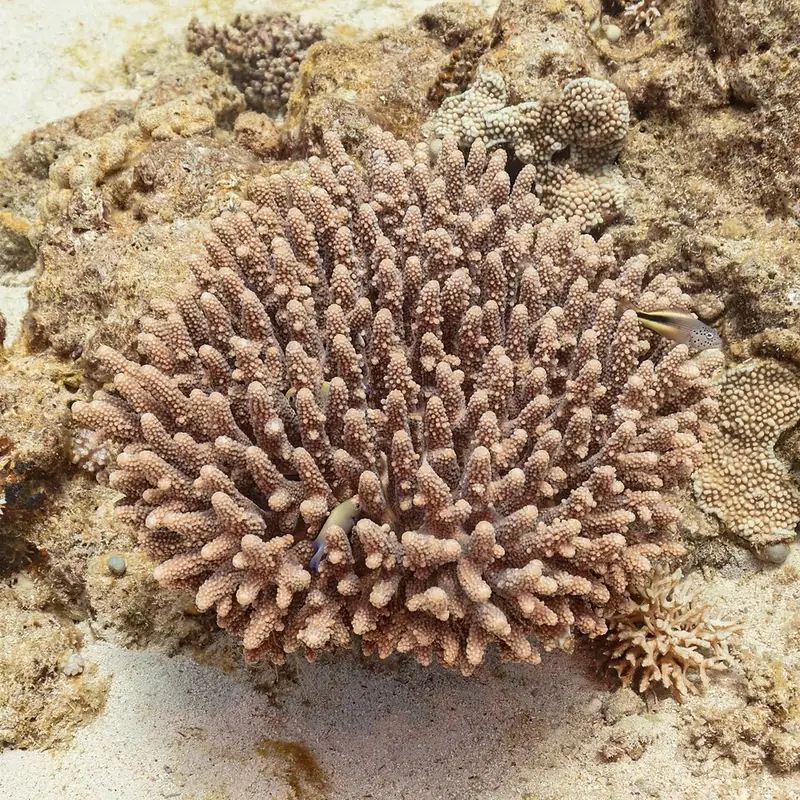
The reefs of Labuan Marine Park offer easier diving between wreck days, but the wrecks are the reason most divers come.
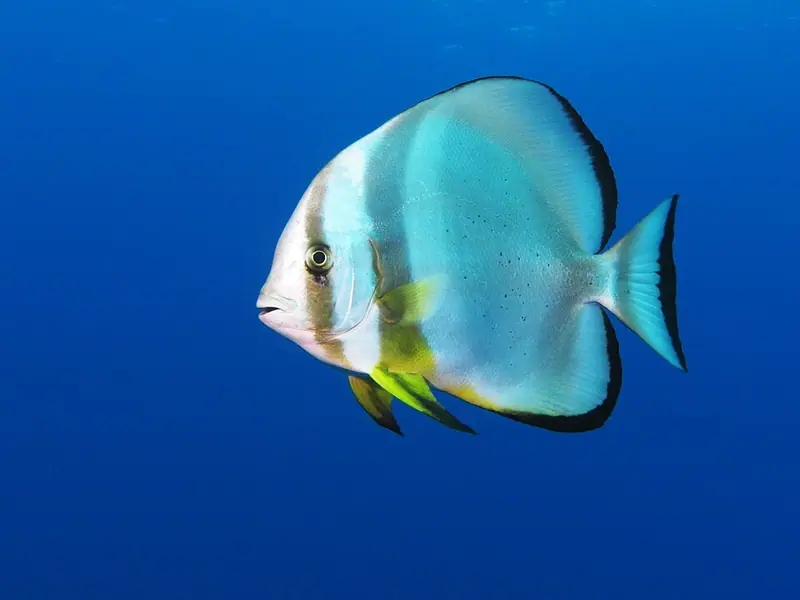

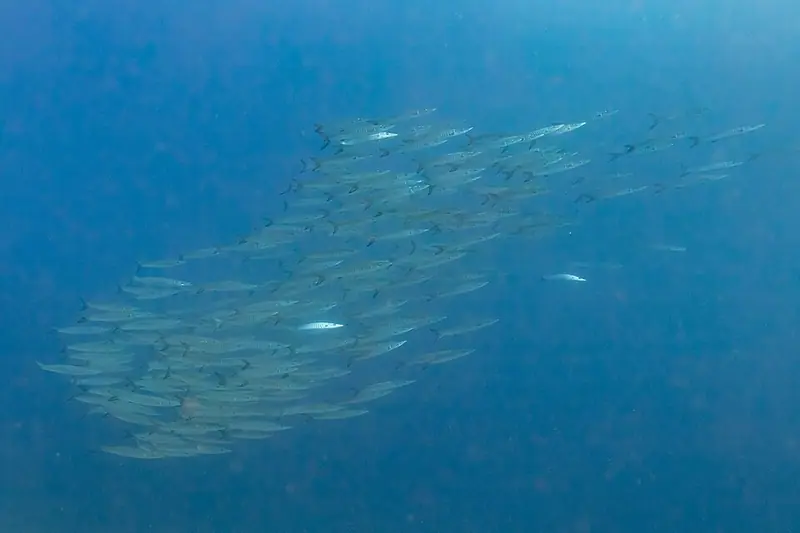

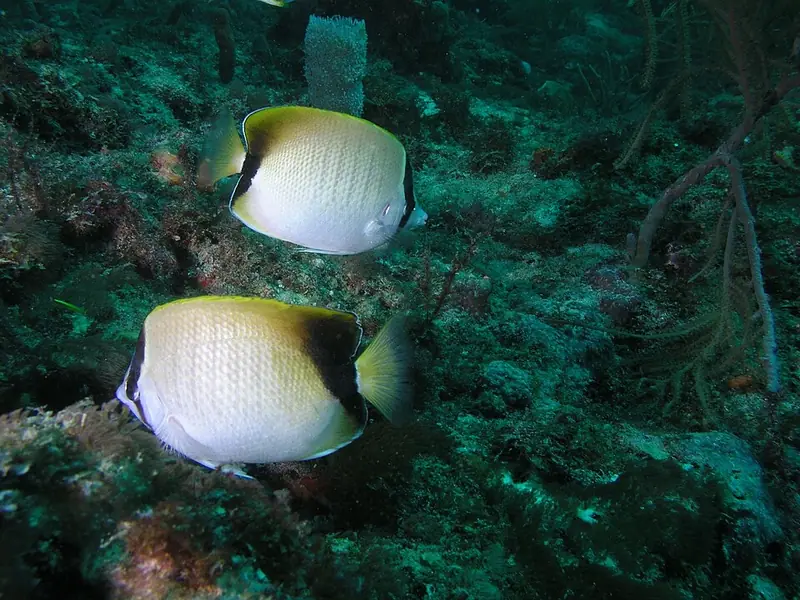

Sightings are never guaranteed. Conservation status from the IUCN Red List and CITES. Never touch, chase or feed marine life.
Diveable for much of the year; conditions vary with the monsoons, so ask your centre about your dates.
Diving in November: Labuan is diveable in November, but sea conditions vary — ask your dive centre about the forecast for your dates.
Typical pattern based on official park and tourism sources; seasons shift from year to year. Confirm conditions with your dive centre.
Checked October 2026. Ferry and boat schedules change with the season, tides and demand — confirm times with your dive centre or the operator before you travel.
Sources: Labuan Tourism – Getting here · Pulau Labuan – Getting here
Wreck enthusiasts. The deeper wrecks need SSI Advanced Open Water Diver-level experience at least, with Enriched Air Nitrox and wreck training strongly recommended.
The famous wrecks are deep and need advanced training. See our guide to diving with kids.
Visiting divers usually join an SSI centre for guided dives or courses such as SSI Open Water Diver and Advanced Open Water Diver. Check each centre’s dates and what its packages include.
Labuan is best known for its wrecks, so Advanced Open Water and the Wreck Diving specialty are worthwhile before you go.
Part of our guide to scuba diving in Malaysia.
1 listing
Labuan Rusukan Besar Tour And Travel is an SSI training centre in Labuan, Malaysia, and has been an SSI partner since 2023.
The Cement Wreck, the Blue Water Wreck, the American Wreck and the Australian Wreck.
The Cement Wreck suits experienced recreational divers, while the American and Australian wrecks are deeper. Advanced-level training is the minimum, and wreck and nitrox training are recommended.
By air, or by ferry from Kota Kinabalu or Brunei.
Labuan can be dived year-round. Diveable for much of the year; conditions vary with the monsoons, so ask your centre about your dates.
Wreck enthusiasts. The deeper wrecks need SSI Advanced Open Water Diver-level experience at least, with Enriched Air Nitrox and wreck training strongly recommended.
Labuan airport (LBU) has flights from Kuala Lumpur and Kota Kinabalu; the ferry terminal is about 10 minutes away. A direct ferry from Kota Kinabalu to Labuan takes about 3 hours. Alternatively, travel by road from Kota Kinabalu to Menumbok (about 2 to 2.5 hours), then take the short ferry across — the most frequent crossing.
Not suitable for children. The famous wrecks are deep and need advanced training.
Wreck-dwelling soft corals: Decades underwater have covered Labuan's wrecks in soft corals and sea fans, home to large schools of fish.