 SCUBA.COM.SG
Scuba diving safety
Scuba diving is safe when it is learnt and practised properly. Please read this before using our guides.
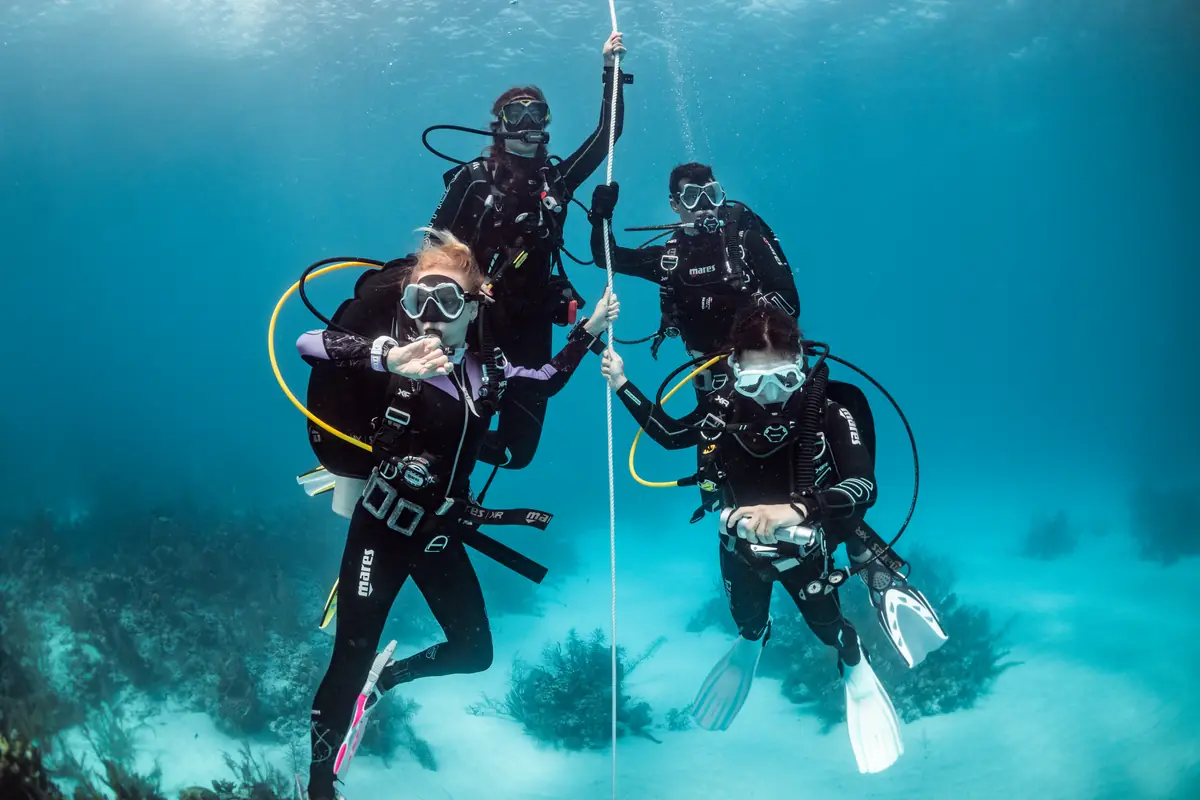
Our information is not a substitute for training
The guides on this site are general information to help you plan. They are not training, medical advice or a guarantee of conditions. Always learn with a certified instructor, follow your training and your dive centre’s briefing, and make your own decision about whether a dive is right for you on the day.
Safety basics
- Get trained and certified with an SSI training centre, and dive only within the depth and conditions your training covers.
- Check your medical fitness. Every course starts with a medical questionnaire; some conditions need a doctor’s approval before diving.
- Never dive or freedive alone. Stay with your buddy and your guide.
- Ascend slowly and make safety stops, and never hold your breath on scuba.
- Wait before flying or going to altitude: Divers Alert Network (DAN) guidance is at least 12 hours after a single no-decompression dive and at least 18 hours after multiple dives in a day or several days of diving — and substantially longer after dives that needed decompression stops.
- Refresh your skills if you have not dived for a while.
- Respect marine life — never touch, chase or feed animals, and stay off the coral.
- Check conditions and permits — seasons, currents, park rules and boat schedules change.
Medical fitness to dive
Before any SSI course you complete a medical questionnaire. If you answer “yes” to any question — for example asthma, heart or lung conditions, recent surgery, pregnancy or regular medication — you will need a doctor’s sign-off before getting in the water. A doctor with diving-medicine training is best placed to advise; in Singapore, the Hyperbaric & Diving Medicine Centre at Singapore General Hospital offers diving-medicine consultations. Answer the form honestly: it protects you, not just the dive centre.
Signs of decompression illness
Unusual tiredness, joint or limb pain, numbness or tingling, skin rash, dizziness, breathing difficulty or confusion in the hours after a dive can be signs of decompression illness. Do not wait to see if it passes: stop diving, tell your dive centre, breathe oxygen if trained staff provide it, and get medical help straight away. Tell the doctor you have been diving.
In an emergency
Follow your dive centre’s emergency plan and call local emergency services (Singapore: 995; Malaysia: 999; Brunei: 991). Ask your dive centre where the nearest recompression (hyperbaric) facility is before you travel — from remote islands it can be hours away — and consider dive accident insurance, for example through Divers Alert Network.
Accuracy of information
We research every guide from official sources and show when it was last reviewed, but details such as ferry times, park rules and centre services can change. Confirm important details with the operator or centre. See our editorial policy.
Instructor’s tip: Most dive problems start at the surface: rushing kit checks, skipping the buddy check or diving tired. Slow down before the dive and the dive itself becomes safer and more enjoyable.
By the SCUBA.COM.SG editorial team · Last reviewed 11 October 2026
Sources: DAN – Flying after diving · Singapore General Hospital – Hyperbaric & Diving Medicine Centre · SSI – Scuba Schools International · SCDF – emergency services
Editorial policy · How we verify listings · Diving safety · Contact us
Frequently asked questions
Is scuba diving dangerous?
Scuba diving has a good safety record when you are properly trained, medically fit, dive within your limits, never dive alone and follow safe ascent and flying-after-diving guidance.
How long should I wait to fly after diving?
Divers Alert Network (DAN) guidance is at least 12 hours after a single no-decompression dive and at least 18 hours after multiple dives or several days of diving, and substantially longer after decompression dives.
What are the signs of decompression illness?
Unusual tiredness, joint or limb pain, numbness or tingling, rash, dizziness, breathing difficulty or confusion after a dive. Stop diving, tell your dive centre and get medical help immediately, mentioning that you have been diving.
What is the emergency number in Singapore, Malaysia and Brunei?
Singapore 995 (ambulance), Malaysia 999 and Brunei 991 (ambulance). Your dive centre should also brief you on its emergency plan.
Can I rely on this website for dive planning?
Use it as general information. Always follow your training, your dive centre's briefing and current local conditions.