 SCUBA.COM.SG
Scuba Diving Singapore: The Complete 2026 Guide
Where to scuba dive in Singapore, how to get SSI certified, what it costs, the best months to dive, and how to choose a dive centre — from an SSI Service Centre Manager.
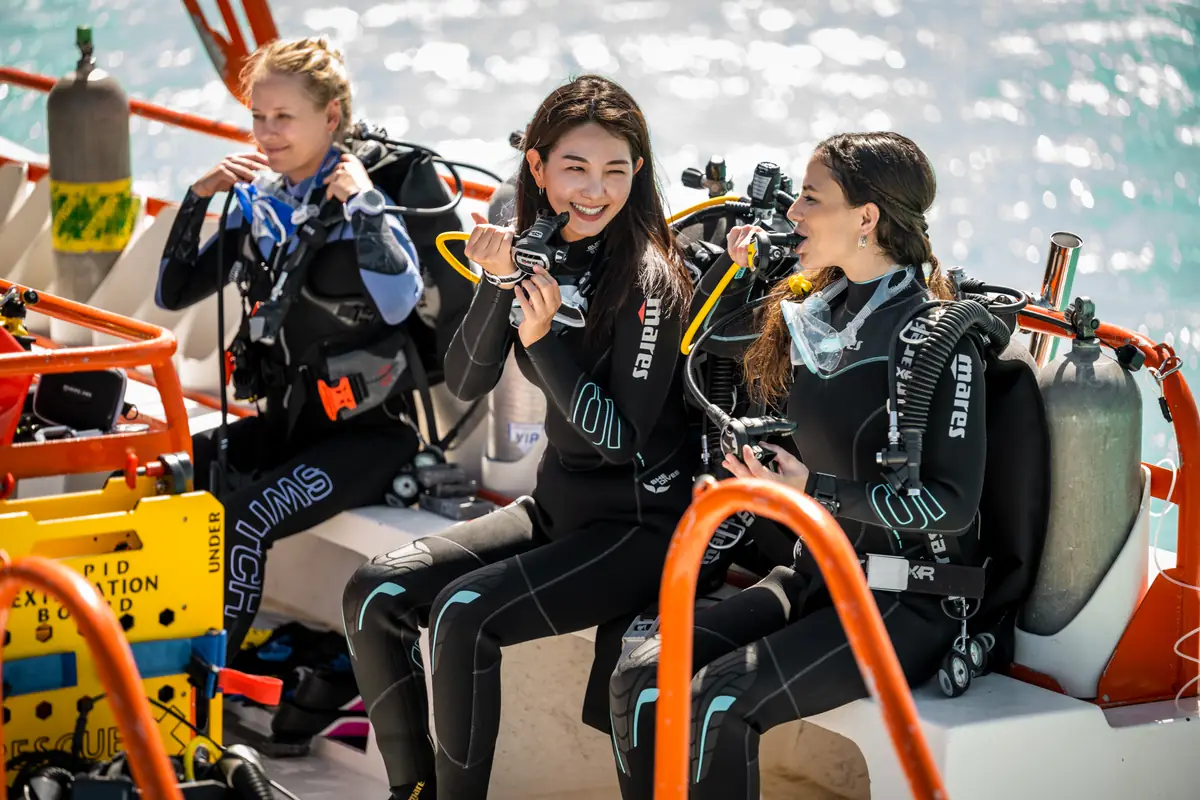
Scuba diving in Singapore is possible, affordable and closer than most people think. The Southern Islands — Pulau Hantu and the Sisters’ Islands Marine Park — are 15 to 30 minutes by boat from the mainland, and Singapore’s reefs hold more than 250 species of hard coral alongside nudibranchs, seahorses, cuttlefish and blue-spotted rays. Visibility is limited, so most Singapore divers learn and practise locally, then take weekend trips to Tioman, Pulau Aur or Redang in Malaysia.
This guide covers the best dive sites in Singapore, how to get certified step by step, what scuba diving in Singapore costs, the best months to dive, and how to pick a dive centre.
Scuba diving Singapore — quick facts
- Local dive sites: Pulau Hantu, Sisters’ Islands Marine Park (reopening for guided dives), Kusu Island, Pulau Jong
- Typical visibility: 2–5 m (up to 8 m on rare clear days)
- Water temperature: 28–30 °C year-round — a 3 mm wetsuit is plenty
- Typical depth: 5–18 m
- Entry course: SSI Open Water Diver, certified to 18 m with a buddy
- Course cost: about S$580–S$1,400 (most S$690–S$900)
- Best conditions: neap tides any month locally; Malaysia east-coast trips March–October
- Find a centre: 30 SSI dive centres in Singapore
Can you scuba dive in Singapore?
Yes. Singapore has real coral reefs, not just pools. They grow on the fringing reefs of the Southern Islands, south of Sentosa and the main island. The water is murky because of shipping traffic and sediment, but the reefs are rich in small life, which is why local divers describe Singapore as a macro destination.
What you won’t get locally is big visibility, wall dives or large pelagics. For those, Singapore divers go to the east coast of Peninsular Malaysia on weekends, or fly to Sabah, Bali and the Philippines. Many people do both: train and keep their skills sharp in Singapore, then travel for holiday diving.
Best dive sites in Singapore
Pulau Hantu
Pulau Hantu is Singapore’s main recreational dive site and where most local fun dives and Open Water training dives happen. It is roughly a 30-minute boat ride from the mainland. Two islets, Hantu Besar and Hantu Kecil, are ringed by reef that slopes from about 3 m down to 15–18 m.
- Level: Open Water and above — good for training dives
- Look for: nudibranchs, seahorses, pipefish, cuttlefish, octopus, blue-spotted stingrays, giant clams, hard and soft corals
- Conditions: low visibility; dives are planned around tides because currents pick up on spring tides
Sisters’ Islands Marine Park
Sisters' Islands Marine Park was Singapore’s first marine park. It has two NParks dive trails — a Shallow Trail and a Deep Trail — each about 100 m long with 10 underwater stations explaining the reef life. The islands are about 15–20 minutes by boat from Sentosa.
Diving was suspended in 2021 for rejuvenation works. The park reopened to visitors in October 2024, and in April 2026 NParks announced it intends to reopen diving later in 2026 through approved dive operators. Dives here are guided only: you book through an NParks-approved operator, not directly. Check the current NParks status before planning.
Other Southern Islands sites
Other local dive sites in our directory include . Some centres also run occasional dives around Kusu Island, Pulau Jong and Raffles Lighthouse (Pulau Satumu), depending on tides and port rules — ask your centre.
Weekend dive trips from Singapore
Because local visibility is low, most Singapore divers do their Open Water dives or fun dives on a two- or three-day trip across the Causeway:
| Destination | Getting there from Singapore | Best for | Season |
|---|---|---|---|
| Tioman | Coach and ferry via Mersing, or flight | Training dives, reefs, turtles | Mar–Oct |
| Pulau Aur | Overnight boat from the Mersing area | Clearer water, pinnacles, pelagics | Mar–Oct |
| Pulau Sibu | Coach and short boat ride via Johor | Easy weekend, beginners | Mar–Oct |
| Redang | Flight and boat | Marine park, turtles, clear water | Mar–Oct |
For the wider picture, see our guide to scuba diving in Malaysia.
How to learn scuba diving in Singapore, step by step
- Try it first (optional): an SSI Try Scuba pool session takes about two to three hours and needs no experience.
- Choose an SSI centre: compare Singapore dive centres by course schedule, trip calendar and group size.
- Digital learning: study the SSI Open Water Diver theory in the MySSI app at your own pace — usually 8–12 hours.
- Water fitness check and pool sessions: show basic water comfort, then practise equipment, buoyancy and safety skills in a pool in Singapore, usually on evenings or weekends.
- Four open water training dives: at Pulau Hantu or on a weekend trip to Malaysia. Once you pass, you are an SSI Open Water Diver certified to 18 m with a buddy.
- Keep going: Advanced Open Water Diver and Enriched Air Nitrox are the usual next steps. See the full SSI certification pathway.
- Minimum age: 10 for SSI Junior Open Water Diver; 15 for full Open Water Diver.
- Swimming: typically a 200 m swim without stopping (or 300 m with mask, fins and snorkel) and 10 minutes floating or treading water.
- Medical: you complete a medical questionnaire; some conditions need a doctor’s sign-off before diving.
Instructor’s tip: Students who learn at Pulau Hantu often become better divers than those who learn in clear water. Low visibility makes you slow down, control your buoyancy and stay close to your buddy — habits that pay off on every overseas trip.
How much does scuba diving in Singapore cost?
| Item | Typical price (SGD) | Notes |
|---|---|---|
| SSI Try Scuba (pool) | S$80–S$150 | Equipment usually included |
| SSI Open Water Diver | S$580–S$1,400 (most S$690–S$900) | Check whether open water dives, boat and gear are included |
| Weekend trip to Malaysia | Varies | Transport, accommodation and meals often extra |
| Advanced Open Water and specialties | Varies by centre | Often bundled with dive trips |
Before you pay, ask each centre whether the price includes equipment rental for pool and open water, boat and marine park fees, accommodation, and the SSI digital certification card — and what happens if weather cancels a trip. Prices change often, so always confirm directly with the centre.
Best time for scuba diving in Singapore
| Months | Singapore (Southern Islands) | Malaysia east coast (Tioman, Aur, Redang) |
|---|---|---|
| Jan–Feb | Diveable; plan around tides, rougher seas possible | Mostly closed (north-east monsoon) |
| Mar–May | Good; calm inter-monsoon | Peak season — calm seas, better visibility |
| Jun–Sep | Good; occasional early-morning squalls | Good season |
| Oct | Good | End of season |
| Nov–Dec | Diveable; more rain | Mostly closed — many centres switch to Sabah, Bali or the Philippines |
Tide tip: local dives are best around neap tides, when currents are weaker and visibility is usually better. Singapore dive centres plan their Pulau Hantu dates around the tide table.
Is scuba diving in Singapore safe?
Yes, when you dive within your training with a reputable centre. The main local risks are low visibility, currents and boat traffic, which is why local dives are guided, use surface marker buoys and are planned around tides. Read our diving safety guide before your first trip.
How to choose a dive centre in Singapore
Singapore centres differ in how they run courses and trips, so compare a few before you book. Ask each centre:
- Whether its SSI affiliation is current — every centre in this directory is checked against its official SSI profile.
- Who teaches the course, and how many students each instructor takes in the pool and in open water.
- Where the open water dives happen — Pulau Hantu, Tioman, Aur or abroad — and what the trip includes.
- What costs extra, such as equipment rental, marine park fees, certification fees and travel insurance.
- Its schedule options (weekday evenings or weekend packages) and its rescheduling and cancellation terms.
Browse 30 SSI dive centres in Singapore →
Not a confident swimmer yet?
SSI entry-level programmes start with a water fitness evaluation. If you can’t yet swim 200 m comfortably or float for 10 minutes, take a few lessons first with one of the SSI-affiliated swim schools listed in the directory.
Written by Ricky, SSI Service Centre Manager · Last reviewed 18 November 2026
Sources: NParks – Sisters' Islands Marine Park · SSI – Open Water Diver · SSI – Dive centre locator
Editorial policy · How we verify listings · Diving safety · Contact us
Frequently asked questions
Can you scuba dive in Singapore?
Yes. Singapore's dive sites are in the Southern Islands, mainly Pulau Hantu and the Sisters' Islands Marine Park. Visibility is usually 2–5 m, but the reefs have rich macro life such as nudibranchs, seahorses and cuttlefish.
Where is the best scuba diving in Singapore?
Pulau Hantu is the most popular and accessible dive site in Singapore and where most local training and fun dives happen. Sisters' Islands Marine Park has two NParks dive trails and is reopening for guided dives through approved operators.
How much does it cost to get scuba certified in Singapore?
An SSI Open Water Diver course in Singapore typically costs about S$580–S$1,400, with most between S$690 and S$900. Check what is included — equipment rental, boat fees, accommodation and trips vary between centres.
How long does it take to get scuba certified in Singapore?
Most students finish in two to four weeks: SSI digital learning at their own pace, one or two pool sessions in Singapore, then four open water dives over a weekend at Pulau Hantu or on a trip to Malaysia.
Do I need to be a strong swimmer to scuba dive?
You need basic swimming ability, not speed. SSI entry-level courses start with a water fitness evaluation — typically a 200 m continuous swim (or 300 m with mask, fins and snorkel) and 10 minutes of floating or treading water.
What is the visibility like when diving in Singapore?
Usually 2–5 m around the Southern Islands, occasionally up to 8 m on clear days around neap tides. Shipping traffic and sediment keep the water murky, which is why Singapore is known for macro diving.
Is Sisters' Islands Marine Park open for diving?
Diving there has been suspended since 2021. The park reopened to visitors in October 2024, and NParks announced in April 2026 that it plans to reopen diving later in 2026 through approved dive operators. Check NParks for the latest status before booking.
Do I need a permit to dive in Singapore?
Sisters' Islands Marine Park dives must be booked through NParks-approved operators. For Pulau Hantu and other Southern Islands sites, book through a dive centre, which arranges the boat and any permissions needed.
What is the best month for scuba diving in Singapore?
Singapore's local sites can be dived year-round, ideally around neap tides. For weekend trips to Tioman, Pulau Aur or Redang, March to October is best; most east-coast Malaysian resorts close during the north-east monsoon from about November to February.
What is the minimum age for scuba diving in Singapore?
Children can start the SSI Junior Open Water Diver course from age 10. The full SSI Open Water Diver certification starts at age 15.
Is a Singapore scuba certification valid overseas?
Yes. An SSI certification is recognised by dive centres around the world, although each operator sets its own requirements and some ask for recent dive experience or a refresher if you have not dived for a while.
Where do Singapore divers go for weekend trips?
Tioman, Pulau Aur, Pulau Sibu and Redang in Malaysia are the most popular weekend dive trips from Singapore, mostly between March and October. Check each dive centre's trip calendar.