 SCUBA.COM.SG
Sisters' Islands Marine Park diving guide
Singapore's first marine park, protecting reefs around the Sisters' Islands. Access for diving is managed, so check current arrangements with your dive centre.
About diving at Sisters' Islands Marine Park
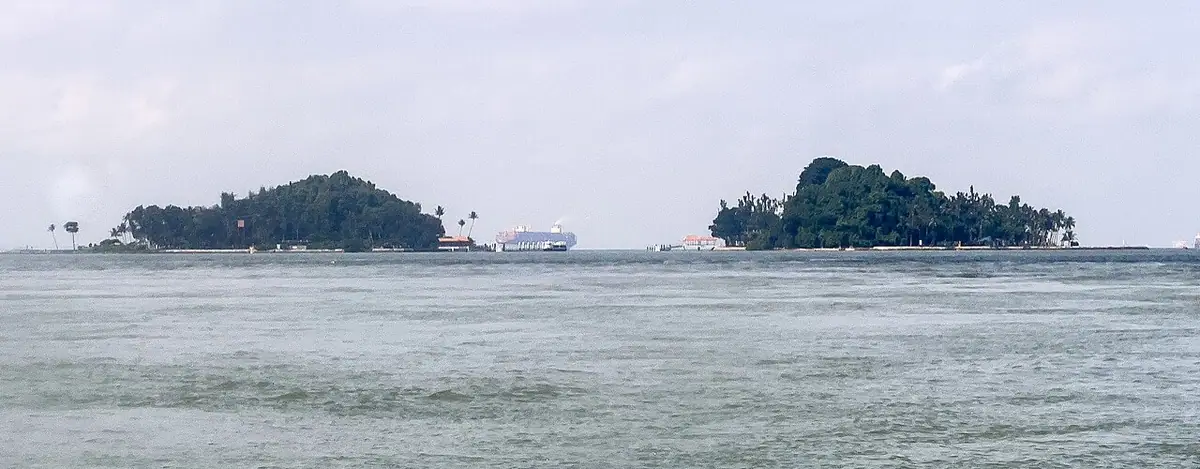
Sisters' Islands Marine Park was established in 2014 as Singapore's first marine park, protecting reefs around Big Sister and Little Sister islands and nearby areas off St John's Island and Pulau Tekukor.
The park is managed by Singapore's National Parks Board (NParks). Diving was suspended in 2021 for restoration work; the park reopened to visitors in October 2024, and NParks announced in April 2026 that it intends to reopen diving later in 2026 through approved operators. Check the current status before planning a dive.
Best dive sites and highlights at Sisters' Islands Marine Park
- Two dive trailsThe park has a shallow trail (about 6 m) and a deeper trail (about 15 m) with underwater signboards. When diving is open, only NParks-approved operators run dives, in set time windows and small groups.
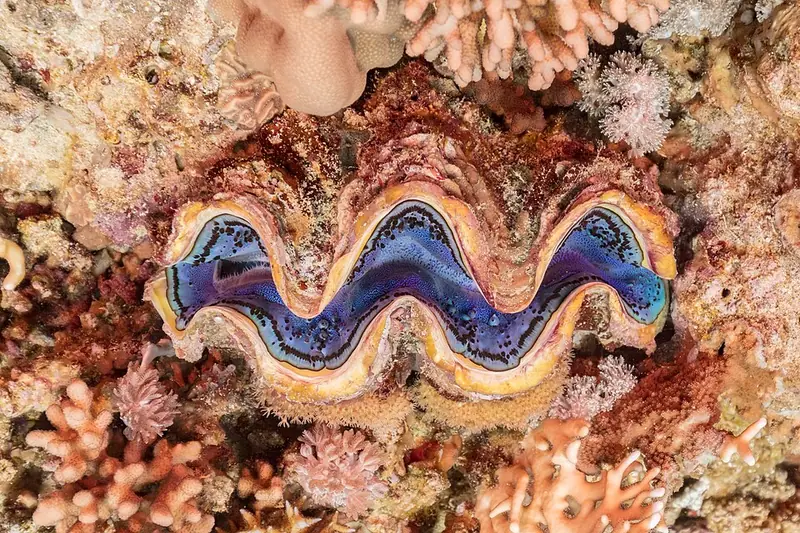
- Giant clams and coral restorationThe park is home to giant clams and is part of Singapore's wider coral conservation work, which makes a visit an interesting look at reef protection in a busy port.
- Two islands, one channelThe two Sisters' Islands sit either side of a channel known for strong currents, so diving here is carefully planned around the tide.
Sisters' Islands Marine Park marine life to look for
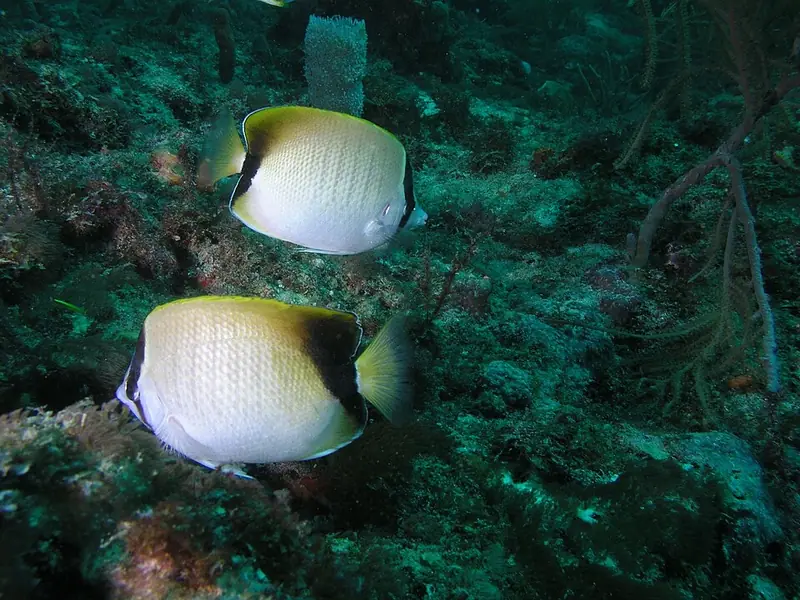

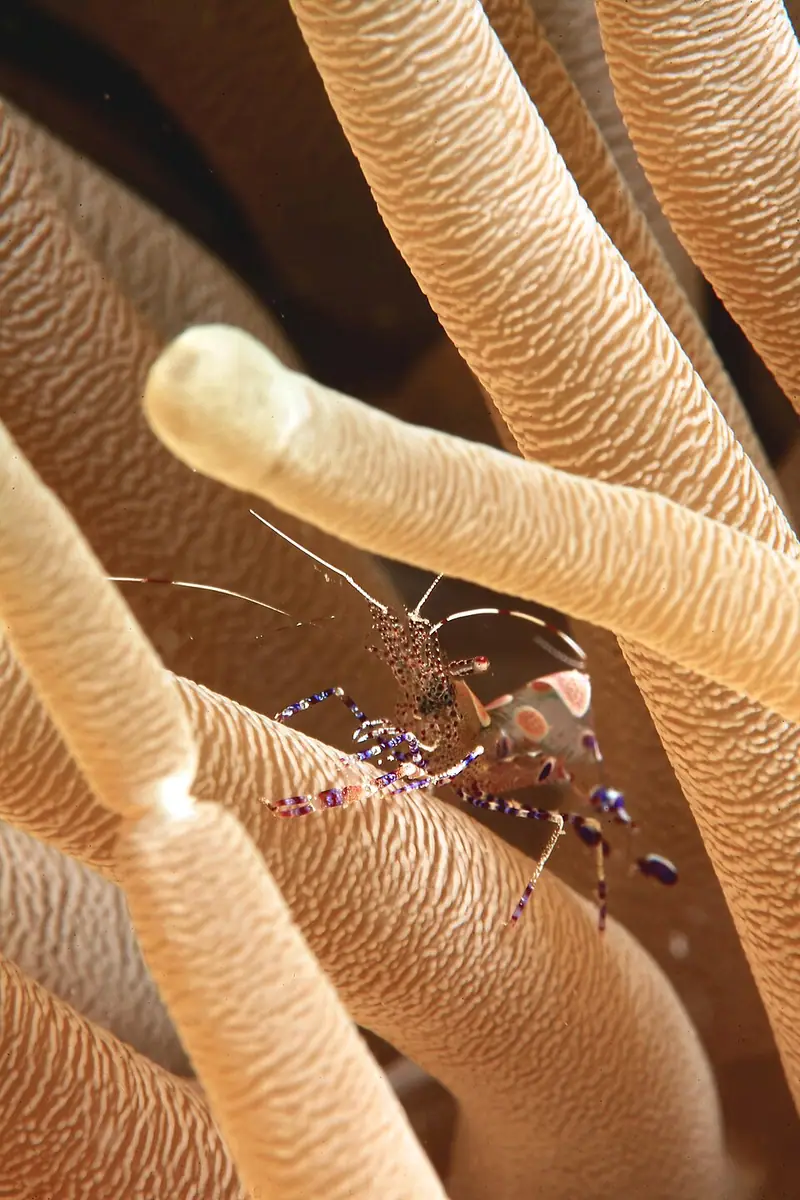
Rare and notable species
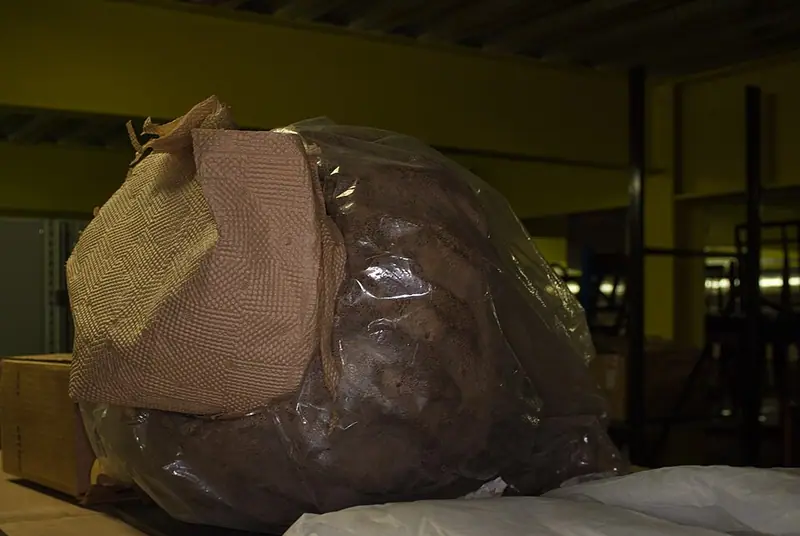
Photo: Lukas Large from Stourbridge, United Kingdom / CC BY-SA 2.0 Neptune's cup spongeRediscoveredA giant goblet-shaped sponge thought extinct for over a century until it was rediscovered off St John's Island in 2011; individuals have since been studied within the marine park.Photo: Diego Delso / CC BY-SA 4.0 Giant clamsCITES-protectedSeveral giant clam species still live in Singapore's waters and are part of NParks' restoration work here.
Sightings are never guaranteed. Conservation status from the IUCN Red List and CITES. Never touch, chase or feed marine life.
When to dive Sisters' Islands Marine Park
Diving has been suspended since 2021 and is expected to reopen later in 2026 — confirm the current status first. When open, dives run only in set windows because of strong tidal currents between the islands.
Diving in November: Diving at Sisters' Islands Marine Park is currently suspended by the park authority. Check the latest status before planning a dive.
- JanDiving suspended
- FebDiving suspended
- MarDiving suspended
- AprDiving suspended
- MayDiving suspended
- JunDiving suspended
- JulDiving suspended
- AugDiving suspended
- SepDiving suspended
- OctDiving suspended
- NovDiving suspended
- DecDiving suspended
Typical pattern based on official park and tourism sources; seasons shift from year to year. Confirm conditions with your dive centre.
How to get to Sisters' Islands Marine Park
- Check diving status first. Diving in the marine park was suspended in 2021 for restoration. NParks announced in April 2026 that it intends to reopen diving later in 2026 through approved dive operators; as of mid-October 2026 no reopening date had been published. Reported requirements include certification above entry level, at least 20 logged dives and a local dive within the past two years. Confirm the current status with NParks or an approved operator before planning a dive.
- Visiting the island. Big Sister's Island is open to the public daily from 7am to 7pm. Little Sister's Island is closed for conservation and research.
- Ferry. Ferries to Big Sister's Island leave from Marina South Pier in Singapore.
- Diving (when open). Dives are run only by NParks-approved operators, in set time windows and small groups, on the park's shallow (about 6 m) and deeper (about 15 m) dive trails.
Checked October 2026. Ferry and boat schedules change with the season, tides and demand — confirm times with your dive centre or the operator before you travel.
Sources: NParks – Sisters' Islands Marine Park · The Scuba News Asia (April 2026) · Wild Shores of Singapore – reopening details (April 2026)
Who Sisters' Islands Marine Park diving suits
Certified divers joining an organised, guided session. Currents mean good buoyancy and calm air consumption are important.
Good for children?
Not suitable for childrenDiving has been suspended for restoration; families can visit Big Sister's Island on foot. See our guide to diving with kids.
Sisters' Islands Marine Park diving tips
- Book well ahead — guided sessions are limited in size.
- Treat it as a nature reserve: no touching or collecting.
- Ask your SSI centre whether it runs or can arrange visits.
Learning to dive at Sisters' Islands Marine Park
Visiting divers usually join an SSI centre for guided dives or courses such as SSI Open Water Diver and Advanced Open Water Diver. Check each centre’s dates and what its packages include.
Part of our guide to scuba diving in Singapore.
Frequently asked questions
Can I dive at Sisters' Islands Marine Park now?
Diving was suspended in 2021 for restoration. NParks announced in April 2026 that it intends to reopen diving later in 2026 through approved operators. As of mid-October 2026 no reopening date had been published, so check the latest status with NParks or an approved dive operator before planning.
What experience will I need to dive Sisters' Islands when it reopens?
Reported requirements include certification above entry level (for example SSI Advanced Open Water Diver), at least 20 logged dives and a local dive in the past two years. NParks will confirm the final rules, so treat these as a guide.
When did Sisters' Islands become a marine park?
Sisters' Islands Marine Park was established in 2014, making it Singapore's first marine park.
Why are currents strong at Sisters' Islands?
Water is funnelled through the channel between Big and Little Sister, so tidal flow can be strong. Dives are timed for calmer periods.
How do I get to Sisters' Islands Marine Park?
Diving in the marine park was suspended in 2021 for restoration. NParks announced in April 2026 that it intends to reopen diving later in 2026 through approved dive operators; as of mid-October 2026 no reopening date had been published. Reported requirements include certification above entry level, at least 20 logged dives and a local dive within the past two years. Confirm the current status with NParks or an approved operator before planning a dive. Big Sister's Island is open to the public daily from 7am to 7pm. Little Sister's Island is closed for conservation and research. Ferries to Big Sister's Island leave from Marina South Pier in Singapore.
Is Sisters' Islands Marine Park good for children?
Not suitable for children. Diving has been suspended for restoration; families can visit Big Sister's Island on foot.
Are there rare species at Sisters' Islands Marine Park?
Neptune's cup sponge (Thought extinct, then rediscovered): A giant goblet-shaped sponge thought extinct for over a century until it was rediscovered off St John's Island in 2011; individuals have since been studied within the marine park. Giant clams (International trade protected under CITES): Several giant clam species still live in Singapore's waters and are part of NParks' restoration work here.