 SCUBA.COM.SG
Pulau Hantu diving guide
Singapore's best-known local dive site: fringing reefs with macro life, seahorses and nudibranchs. Visibility is usually low, so it suits divers who enjoy close-up marine life.
About diving at Pulau Hantu
Pulau Hantu — 'Ghost Island' in Malay — is a pair of small islands in Singapore's Southern Islands and the place most local divers do their first dive at home. The fringing reefs slope gently from the shallows to around 15 metres, so dives are relaxed and close to the reef.
Visibility is usually only a few metres because of the busy shipping waters around it, which is exactly why Hantu rewards patience: divers who slow down and look closely find a surprising amount of small life on the reef and in the rubble.
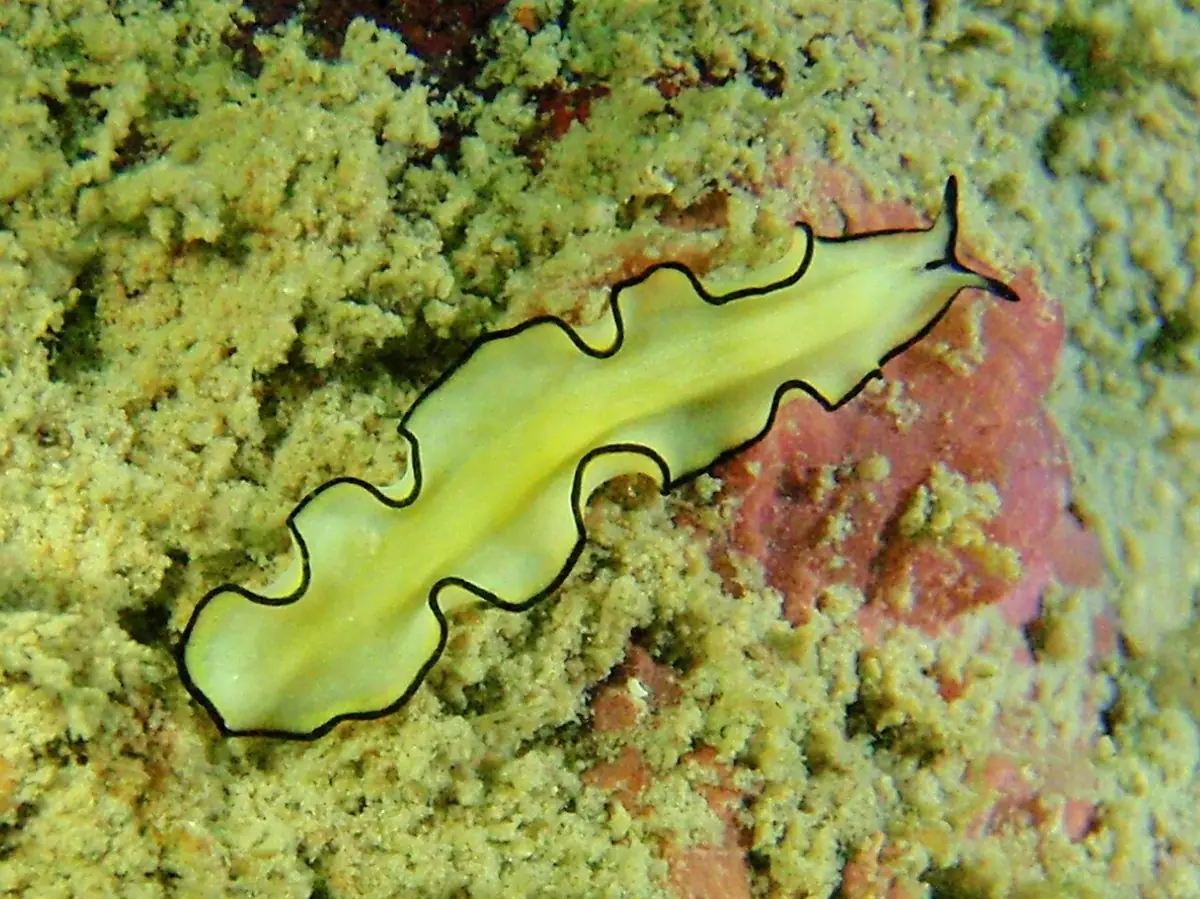
Best dive sites and highlights at Pulau Hantu
- Macro hunting on a city reefHantu is known for small, well-camouflaged animals. Divers regularly come back with photos of nudibranchs and flatworms that rival far more famous destinations.
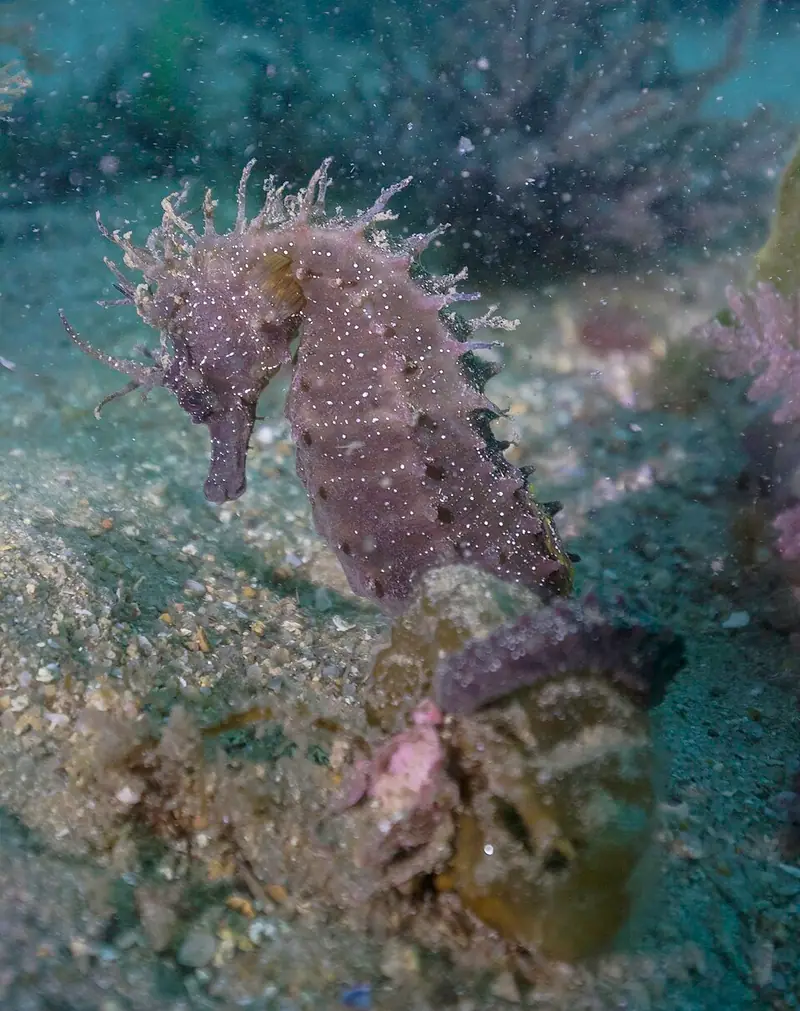
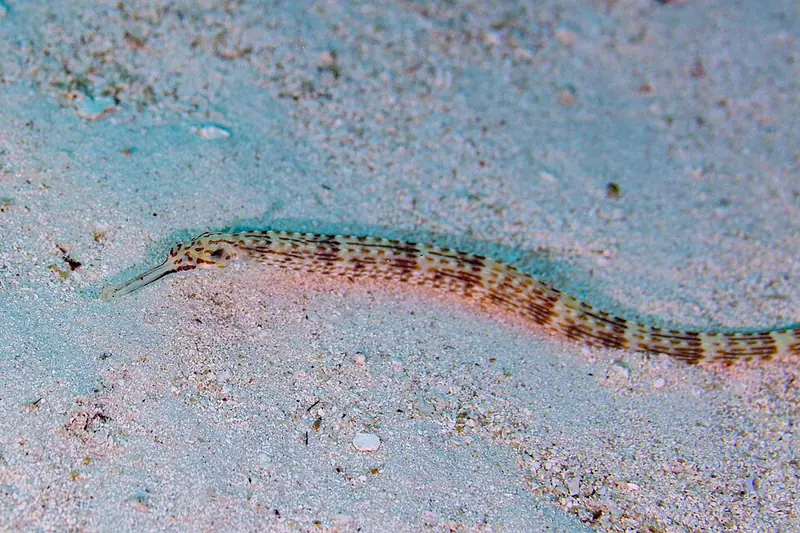
- Seahorse and pipefish spottingSeagrass and sponge areas hide seahorses and pipefish. Ask your guide where they have been seen recently and move slowly.
- Quick weekend dives without leaving SingaporeA morning boat trip from the mainland means you can dive and be home by the afternoon, ideal for keeping skills fresh between overseas trips.
Pulau Hantu marine life to look for

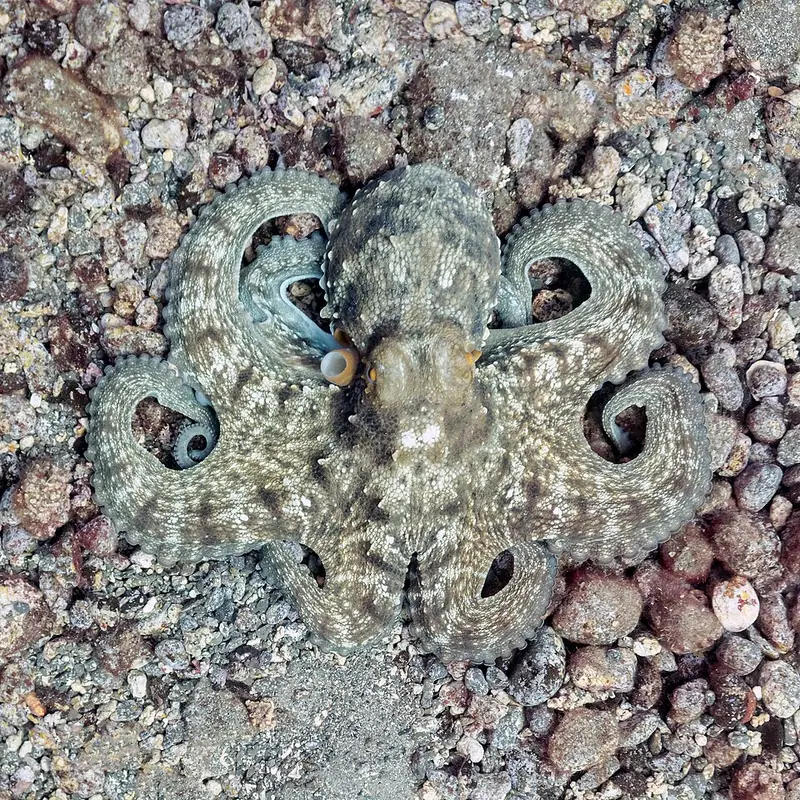
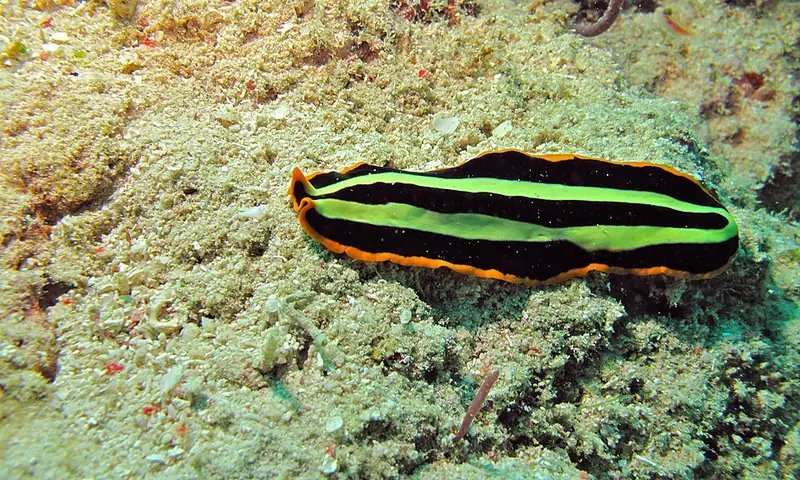
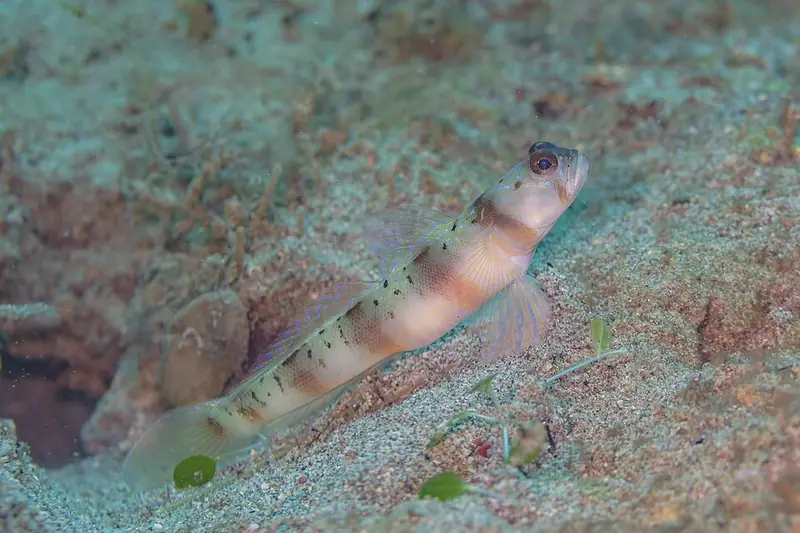
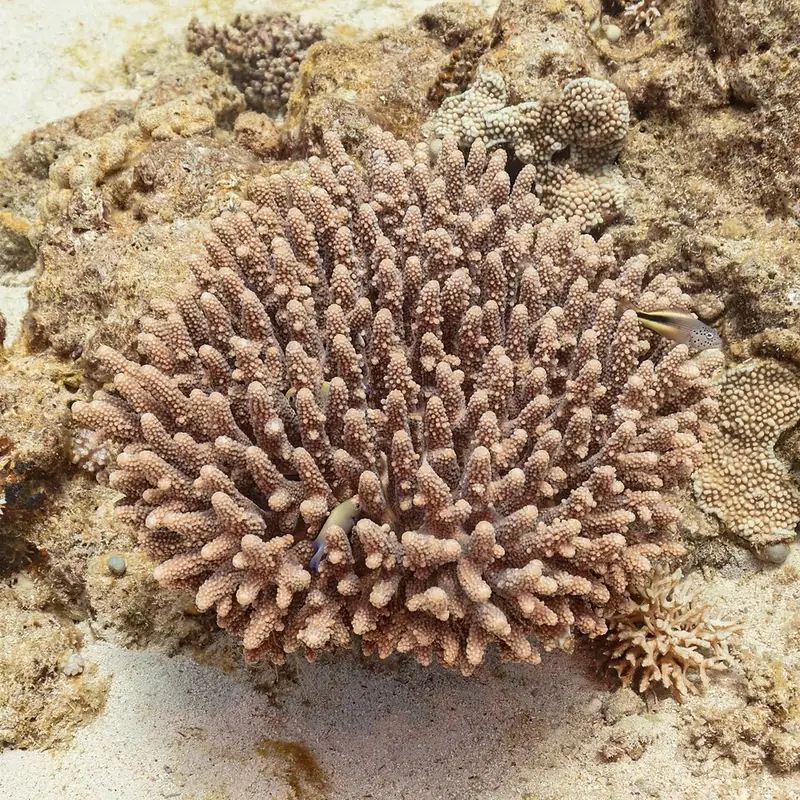
Rare and notable species
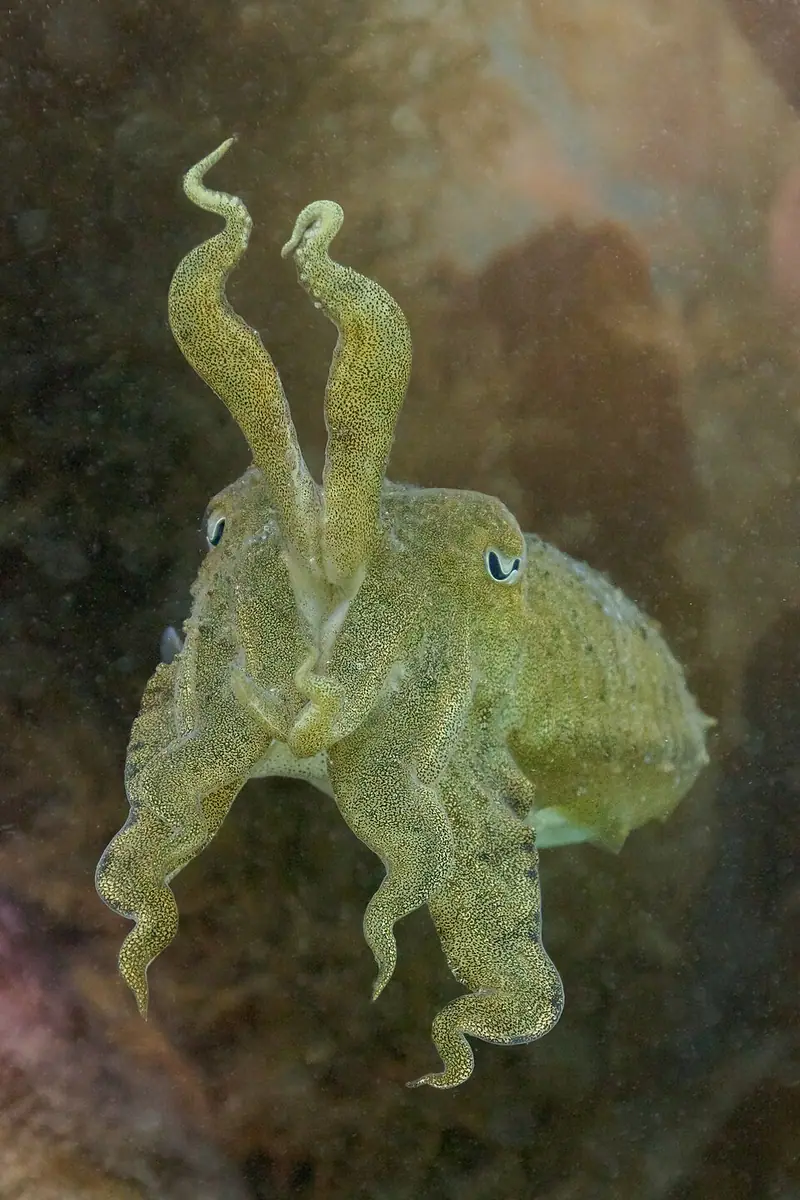
Photo: Diego Delso / CC BY-SA 4.0 SeahorsesCITES-protectedFound among sponges and seagrass by patient divers — a real treat on a city reef.Photo: Diego Delso / CC BY-SA 4.0 Unusual nudibranchs and flatwormsHantu is known among local divers for small, colourful sea slugs that can be hard to find elsewhere.
Sightings are never guaranteed. Conservation status from the IUCN Red List and CITES. Never touch, chase or feed marine life.
When to dive Pulau Hantu
Diveable year-round, but plan around the tides — dive centres schedule Hantu trips for periods of gentler water movement. Expect low visibility, typically a few metres.
Diving in November: Pulau Hantu is diveable in November, but sea conditions vary — ask your dive centre about the forecast for your dates.
- JanDiveable – conditions vary
- FebDiveable – conditions vary
- MarDiveable – conditions vary
- AprDiveable – conditions vary
- MayDiveable – conditions vary
- JunDiveable – conditions vary
- JulDiveable – conditions vary
- AugDiveable – conditions vary
- SepDiveable – conditions vary
- OctDiveable – conditions vary
- NovDiveable – conditions vary
- DecDiveable – conditions vary
Typical pattern based on official park and tourism sources; seasons shift from year to year. Confirm conditions with your dive centre.
How to get to Pulau Hantu
- Book a dive trip. There is no scheduled ferry to Pulau Hantu. Divers go with a dive centre's boat or a chartered boat.
- Boat departure. Boats usually leave from West Coast Pier (some charters use Marina South Pier). The ride from West Coast Pier is about 30 minutes.
- Bring ID. Carry your NRIC or passport — identity checks apply at the pier.
Pack water and snacks: there are no shops on the island.
Checked October 2026. Ferry and boat schedules change with the season, tides and demand — confirm times with your dive centre or the operator before you travel.
Sources: Wikipedia – Pulau Hantu
Who Pulau Hantu diving suits
Certified divers comfortable in low visibility. Good buoyancy matters more than depth — the SSI Perfect Buoyancy specialty makes Hantu far more enjoyable.
Good for children?
Better for older or experienced childrenLow visibility and busy waters — better for certified older children who already dive comfortably. See our guide to diving with kids.
Pulau Hantu diving tips
- Bring a torch even in daytime; colours on the reef come alive with light.
- Carry a surface marker buoy — boat traffic around the Southern Islands is heavy.
- Keep fins off the bottom: much of the interesting life lives in the rubble.
Learning to dive at Pulau Hantu
Visiting divers usually join an SSI centre for guided dives or courses such as SSI Open Water Diver and Advanced Open Water Diver. Check each centre’s dates and what its packages include.
Pulau Hantu suits certified divers rather than first-timers. Its low visibility makes it an excellent training ground for the Navigation, Night & Limited Visibility and Perfect Buoyancy specialties.
Part of our guide to scuba diving in Singapore.
Frequently asked questions
Is the visibility at Pulau Hantu really that bad?
It is usually low — a few metres is typical. Divers go for the small marine life rather than wide reef views, and a good torch helps a lot.
Can I do my open-water training dives at Pulau Hantu?
Most Singapore centres complete open-water training dives on trips to Malaysia, where conditions are clearer. Hantu is better suited to certified divers who want local fun dives.
What is the best way to see seahorses at Hantu?
Dive with a guide who knows the site, move slowly near seagrass and sponges, and avoid touching anything — seahorses rely on staying put to stay hidden.
When is the best time to dive Pulau Hantu?
Pulau Hantu can be dived year-round. Diveable year-round, but plan around the tides — dive centres schedule Hantu trips for periods of gentler water movement. Expect low visibility, typically a few metres.
Is Pulau Hantu good for beginner divers?
Certified divers comfortable in low visibility. Good buoyancy matters more than depth — the SSI Perfect Buoyancy specialty makes Hantu far more enjoyable.
How do I get to Pulau Hantu?
There is no scheduled ferry to Pulau Hantu. Divers go with a dive centre's boat or a chartered boat. Boats usually leave from West Coast Pier (some charters use Marina South Pier). The ride from West Coast Pier is about 30 minutes. Carry your NRIC or passport — identity checks apply at the pier.
Is Pulau Hantu good for children?
Better for older or experienced children. Low visibility and busy waters — better for certified older children who already dive comfortably.
Are there rare species at Pulau Hantu?
Seahorses (International trade protected under CITES): Found among sponges and seagrass by patient divers — a real treat on a city reef. Unusual nudibranchs and flatworms: Hantu is known among local divers for small, colourful sea slugs that can be hard to find elsewhere.