 SCUBA.COM.SG

Pulau Sibu, Malaysia
Dans Nasty Frogmen is an SSI training centre in Pulau Sibu, Malaysia, and has been an SSI partner since 1990.
An island off the Johor coast, close to Singapore, with resort-based diving and training.
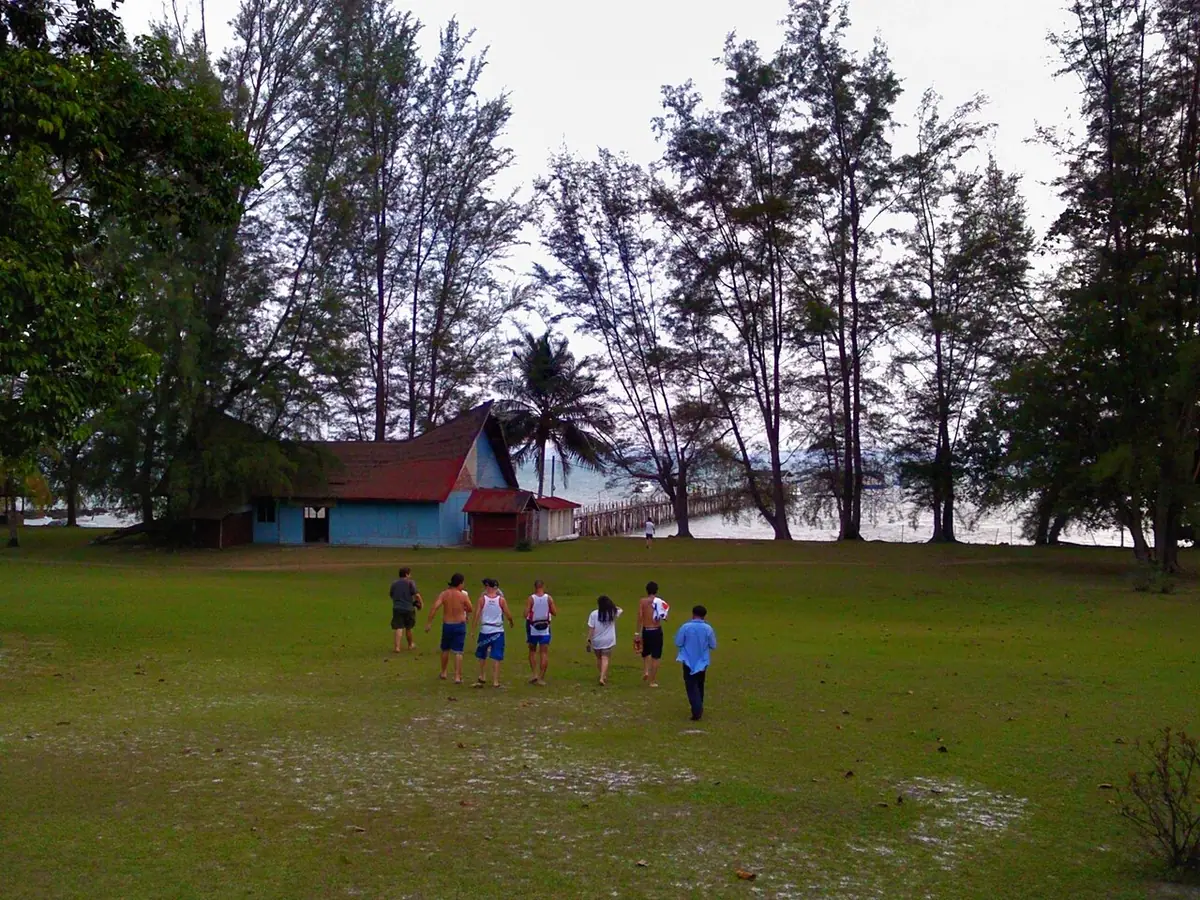
Pulau Sibu lies off the Johor coast south of Mersing and is one of the most accessible island escapes from Singapore. It is a gentle, unhurried place with small resorts, sandy bays and a village feel.
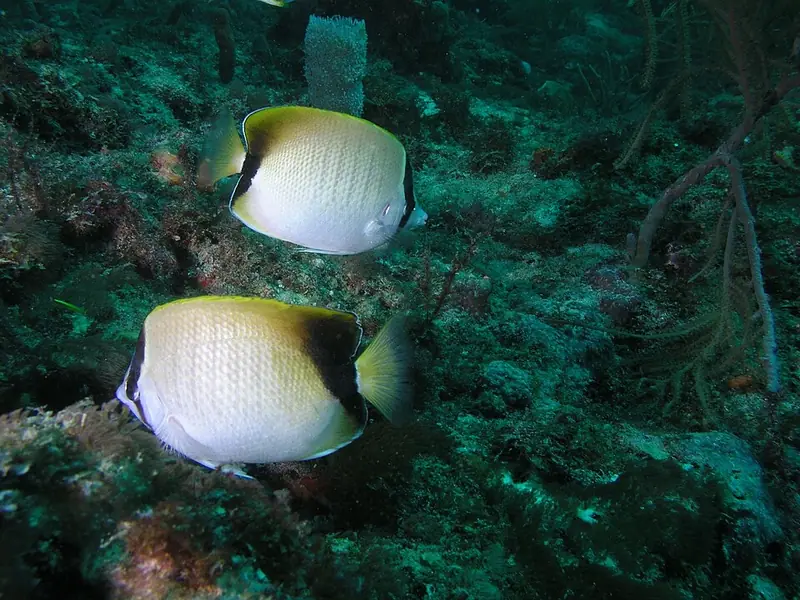
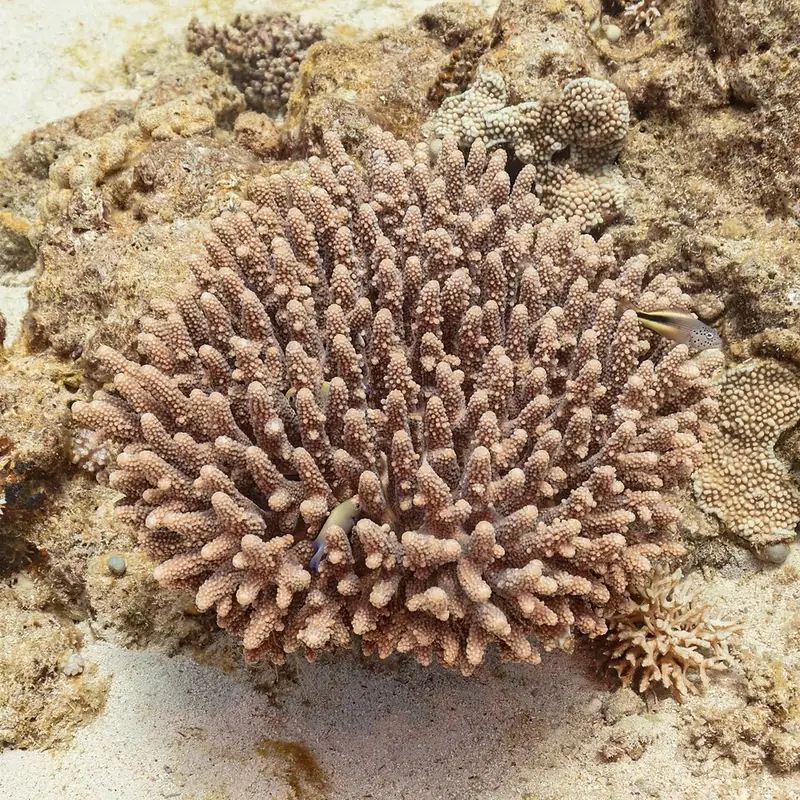
The surrounding reefs are generally sheltered and shallow, which makes Sibu a sensible choice for training dives, refresher dives and families who want snorkelling and diving in the same trip.




Sightings are never guaranteed. Conservation status from the IUCN Red List and CITES. Never touch, chase or feed marine life.
Best from roughly March to October; seas are rougher during the north-east monsoon.
Diving in November: November falls in the north-east monsoon. Some boats and centres still run at Pulau Sibu, but trips are often cancelled for rough seas — have a back-up plan.
Typical pattern based on official park and tourism sources; seasons shift from year to year. Confirm conditions with your dive centre.
Checked October 2026. Ferry and boat schedules change with the season, tides and demand — confirm times with your dive centre or the operator before you travel.
Sources: Malaysia Vacation Guide – Tanjung Leman jetty
Beginners, students completing training dives, and families mixing snorkelling with diving.
Sheltered, shallow reefs and a short boat ride from the Johor coast — the easiest family dive trip from Singapore. See our guide to diving with kids.
There is no public ferry to Pulau Sibu — resorts arrange the boat from Tanjung Leman jetty.
Checked October 2026. Facilities change — confirm with the resort before booking. Listings are editorial, not paid.
Visiting divers usually join an SSI centre for guided dives or courses such as SSI Open Water Diver and Advanced Open Water Diver. Check each centre’s dates and what its packages include.
Pulau Sibu's sheltered sites make it a gentle place for Open Water Diver training dives within easy reach of Singapore.
Part of our guide to scuba diving in Malaysia.
1 listing
Dans Nasty Frogmen is an SSI training centre in Pulau Sibu, Malaysia, and has been an SSI partner since 1990.
Yes — its sheltered, shallow reefs make it a comfortable place for training dives and refreshers.
Drive or take a coach to the Johor coast near Mersing, then a short boat ride. Resorts normally arrange the boat.
Yes. Snorkelling, beaches and a quiet island atmosphere make it easy for mixed groups.
The main diving season at Pulau Sibu runs from March to October. Best from roughly March to October; seas are rougher during the north-east monsoon.
Beginners, students completing training dives, and families mixing snorkelling with diving.
Boats to Pulau Sibu leave from Tanjung Leman jetty, not Mersing. It is about 1.5 hours' drive from Johor Bahru, and roughly 2.5 hours or more from Singapore depending on the border. The crossing takes about 20 to 45 minutes depending on which part of the island you are going to. Resorts usually arrange the boat transfer, so book it together with your stay.
Great for families. Sheltered, shallow reefs and a short boat ride from the Johor coast — the easiest family dive trip from Singapore. Family-friendly places to stay include Sea Gypsy Village Resort & Dive Base and Rimba Resort – Dive Centre & Spa.
Dugong (IUCN Red List: Vulnerable): The seagrass beds around the Johor islands are one of Malaysia's important dugong habitats. Sightings are rare — treat one as a once-in-a-lifetime moment. Hawksbill turtle (IUCN Red List: Critically Endangered): Occasionally seen on the island's reefs.