 SCUBA.COM.SG
Mabul diving guide
One of the region's best-known muck-diving islands, rich in macro life and often combined with Sipadan.
About diving at Mabul
Mabul is a small, flat island near Sipadan and one of the best-known muck-diving destinations in the world. Instead of big walls, divers search sandy slopes, jetties and rubble for some of the ocean's strangest small creatures.
It is also a practical base for Sipadan: resorts on and around Mabul run Sipadan trips when they secure permits, and fill the other days with Mabul's own superb macro dives.

Best dive sites and highlights at Mabul
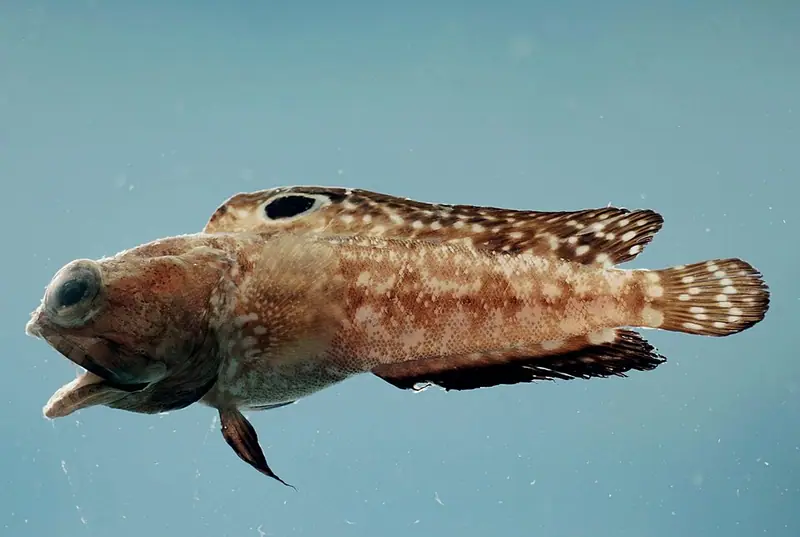
- Muck divingPatient searching on sand and rubble reveals frogfish, ghost pipefish, jawfish and other cryptic species — a paradise for underwater photographers.
- Mandarinfish at duskMandarinfish are famously shy and most active around sunset, making dusk dives a Mabul favourite.
- The Seaventures dive rigA converted oil rig turned dive resort near Mabul, whose legs are covered in marine life.
- Water villages and KapalaiStilt resorts on Mabul and nearby Kapalai let you dive straight from the house reef.
Mabul marine life to look for

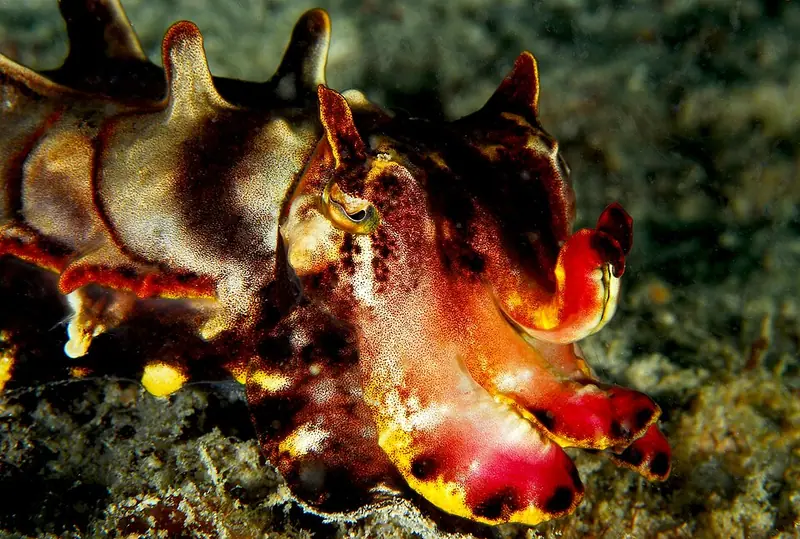

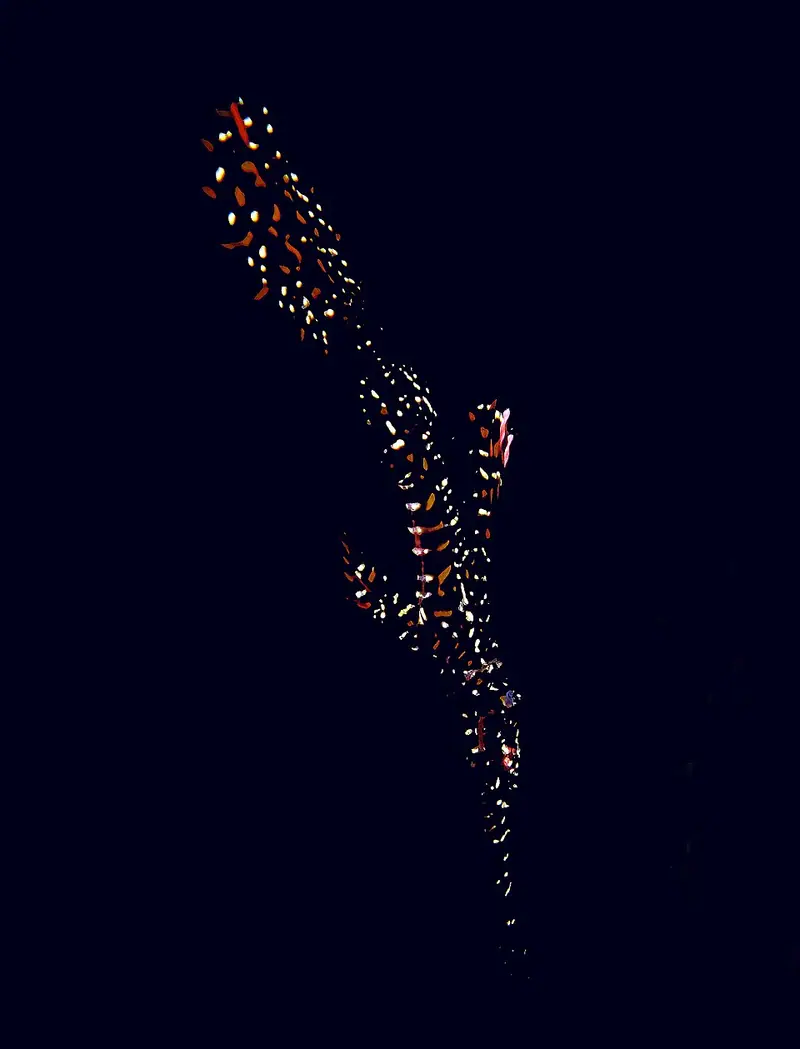
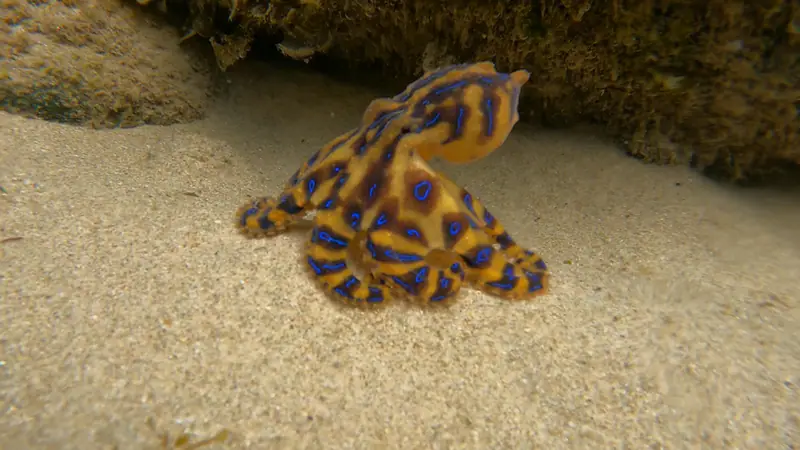
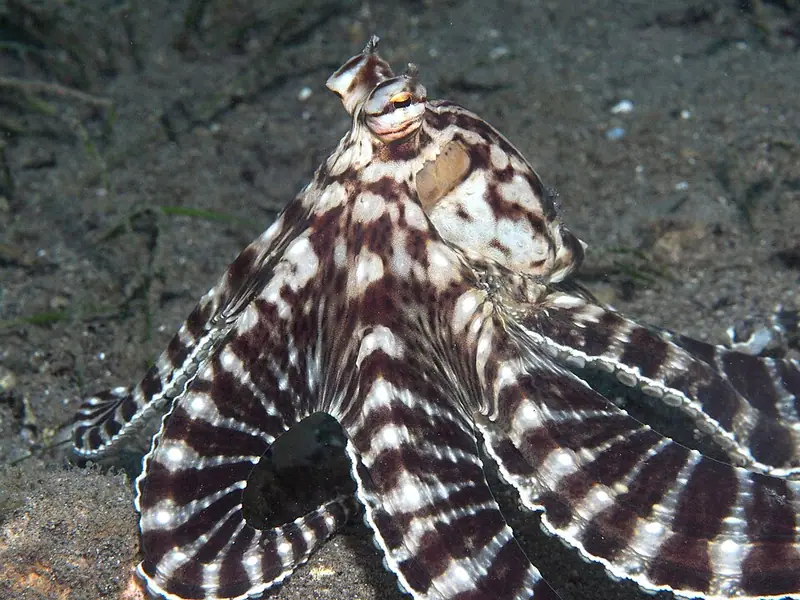

Rare and notable species
Photo: Rickard Zerpe / CC BY-SA 2.0 Mimic octopusFamous for imitating other animals — a sought-after muck-diving find.Photo: Jenny (JennyHuang) from Taipei / CC BY 2.0 Flamboyant cuttlefishA tiny, brightly coloured cuttlefish that walks across the sand.Photo: MurkySeb / CC BY-SA 4.0 Blue-ringed octopusSmall and highly venomous — admire from a distance, never touch.
Sightings are never guaranteed. Conservation status from the IUCN Red List and CITES. Never touch, chase or feed marine life.
When to dive Mabul
Year-round; the macro life is present throughout the year.
Diving in November: November is in the best season for diving Mabul. Book boats and courses early at busy times.
- JanBest season
- FebBest season
- MarBest season
- AprBest season
- MayBest season
- JunBest season
- JulBest season
- AugBest season
- SepBest season
- OctBest season
- NovBest season
- DecBest season
Typical pattern based on official park and tourism sources; seasons shift from year to year. Confirm conditions with your dive centre.
How to get to Mabul
- Fly to Tawau. Fly into Tawau airport (TWU), the closest airport to Mabul.
- Road to Semporna. Transfer by road to Semporna jetty — about 75 to 90 minutes. Resorts usually arrange this.
- Boat to Mabul. The speedboat to Mabul takes about 35 to 60 minutes depending on the tide and sea.
- Time your flight. The last boats leave Semporna around 4pm to 4.30pm, so book a flight that lands in Tawau by early afternoon (many resorts ask for 2pm at the latest).
Checked October 2026. Ferry and boat schedules change with the season, tides and demand — confirm times with your dive centre or the operator before you travel.
Sources: Sipadan.com – Traveling to Mabul · Mabul.com – How to get there
Who Mabul diving suits
All levels, and especially photographers and divers with excellent buoyancy control who enjoy slow, detailed dives.
Good for children?
Better for older or experienced childrenCalm house reefs, but slow macro diving and a long journey via Tawau suit older children who are already certified. See our guide to diving with kids.
Mabul diving tips
- Bring a good torch and, if you have one, a macro lens.
- Perfect your buoyancy before you go — muck diving means hovering just above the sand.
- Never touch or move animals for a photo.
Learning to dive at Mabul
Visiting divers usually join an SSI centre for guided dives or courses such as SSI Open Water Diver and Advanced Open Water Diver. Check each centre’s dates and what its packages include.
Mabul is a good place to learn and to complete Advanced Open Water before diving Sipadan, with macro diving for every level.
Part of our guide to scuba diving in Malaysia.
Frequently asked questions
What is muck diving?
Diving over sand, silt and rubble to find small, unusual animals that live there. Mabul is one of the most famous places in the world to do it.
Can I dive Sipadan from Mabul?
Yes. Resorts on and near Mabul run Sipadan trips when they have permits, and Mabul is one of the closest bases.
When can I see mandarinfish?
They are most active around dusk, so dusk dives give the best chance.
Is Mabul good for beginner divers?
All levels, and especially photographers and divers with excellent buoyancy control who enjoy slow, detailed dives.
How do I get to Mabul?
Fly into Tawau airport (TWU), the closest airport to Mabul. Transfer by road to Semporna jetty — about 75 to 90 minutes. Resorts usually arrange this. The speedboat to Mabul takes about 35 to 60 minutes depending on the tide and sea.
Is Mabul good for children?
Better for older or experienced children. Calm house reefs, but slow macro diving and a long journey via Tawau suit older children who are already certified.
Are there rare species at Mabul?
Mimic octopus: Famous for imitating other animals — a sought-after muck-diving find. Flamboyant cuttlefish: A tiny, brightly coloured cuttlefish that walks across the sand. Blue-ringed octopus: Small and highly venomous — admire from a distance, never touch.